Rubbish collection guide Salusbury Road NW6
Posted on 14/08/2026
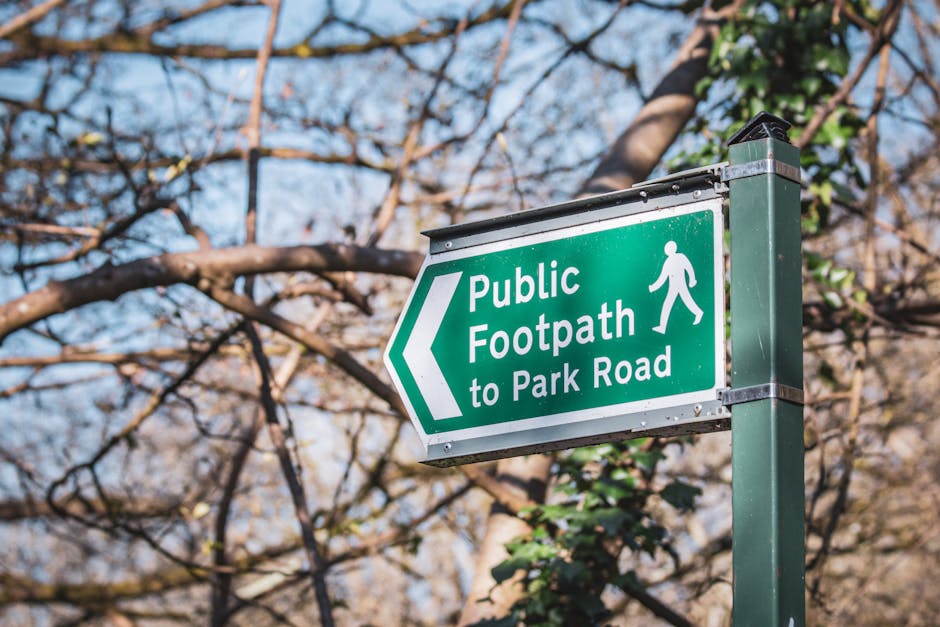
If you live, work, renovate, or run a small business along Salusbury Road, rubbish has a habit of turning up at the worst possible moment. One bag becomes three. A broken wardrobe sits in the hall. A shop refit leaves cardboard, timber, and packaging everywhere. This Rubbish collection guide Salusbury Road NW6 is here to make the whole process feel less messy and a lot more manageable.
In practice, good rubbish collection is not just about getting rid of waste. It is about choosing the right method, separating materials sensibly, avoiding common delays, and making sure the job is handled safely and responsibly. That matters in a busy NW6 location where access can be tight, parking can be awkward, and nobody wants waste left hanging around for days. Below, you will find a clear guide to how collection usually works, what to expect, what to avoid, and how to make a sensible decision without overthinking it.
To keep things simple, this guide also touches on recycling, legal duty of care, and the practical differences between household clearances, office clearances, builders' waste, and garden waste. Nothing fluffy. Just the stuff people actually need.
- Why rubbish collection matters on Salusbury Road
- How the collection process works
- Key benefits and practical advantages
- Who this guide is for
- Step-by-step guidance
- Expert tips for smoother collection
- Common mistakes to avoid
- Tools, resources and recommendations
- Law, compliance, standards and best practice
- Options, methods and comparison table
- Case study or real-world example
- Practical checklist
- Conclusion
- Frequently asked questions
Why Rubbish collection guide Salusbury Road NW6 Matters
Salusbury Road sits in one of those parts of London where everyday life is lively, practical, and sometimes a little cramped. Flats, maisonettes, terraces, small offices, cafes, and local trades all create different kinds of waste. That means a one-size-fits-all approach rarely works very well.
A rubbish collection guide matters because waste is not only about tidiness. It affects safety, appearance, access, neighbour relations, and even the pace of a project. A sofa left on the pavement for too long can become an obstruction. Loose rubble can become a hazard. A stack of mixed waste can slow down removal and increase the chance of materials being sent to the wrong place. Not ideal, to say the least.
There is also a local reality to think about: many properties in NW6 have limited storage, shared entrances, narrow stairwells, or no convenient off-street space for holding bulky items. So planning ahead is not a luxury. It is the difference between a quick, calm clearance and a stressful scramble on the day.
Expert summary: The best rubbish collection plan is the one that matches the type of waste, the access at your property, and the speed you actually need. Get those three things right and the rest becomes much easier.
If you are comparing local services, it can help to understand the broader range of support available through the site's services overview, especially if your waste situation is not straightforward and you need to see the difference between collection, removal, and clearance.
How Rubbish collection guide Salusbury Road NW6 Works
At its simplest, rubbish collection follows a few clear stages: identify the waste, decide what can be removed together, arrange the collection, and make sure items are ready for safe loading. That sounds basic, but the details matter more than people expect.
Most collections begin with a description of what needs to go. A good description is specific. "Old furniture and some bags" is workable, but "two wardrobes, one mattress, six black sacks, a broken desk, and cardboard packaging" is much better. Why? Because it helps the collection team estimate labour, vehicle space, and any extra handling needed. No mystery surprises. Everyone prefers that.
For larger jobs, access is usually part of the conversation too. Can a van stop nearby? Are there stairs? Is there a lift? Does the waste need carrying through a communal entrance? These things affect timing and method. On a road like Salusbury Road, that practical detail is often more important than the waste itself.
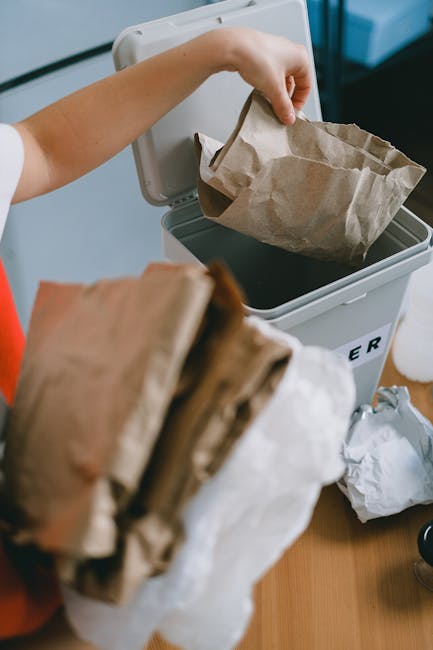
Recycling also plays a major role. A good collection should separate suitable items where possible, particularly cardboard, metal, wood, green waste, and reusable furniture. Mixed waste can still be removed, but separating beforehand often improves efficiency and supports better recycling outcomes.
For local residents looking for a general rubbish collection service in the area, the page on rubbish collection in Queens Park is a useful place to understand how this kind of service fits into everyday waste needs.
There are also different service styles. Some are ideal for one-off loads. Others suit ongoing commercial needs. Others again are more appropriate for heavy renovation waste or full property clearances. The right choice depends on volume, time pressure, and the type of material involved.
Key Benefits and Practical Advantages
A well-planned rubbish collection brings more value than most people realise. Yes, the obvious benefit is a clear space. But the knock-on effects are often where the real value sits.
- Less stress: You do not have to find a place to pile waste, hire a vehicle, or make multiple trips.
- Better safety: Clear walkways reduce trip hazards, especially in shared buildings or busy front steps.
- Faster turnaround: When waste is removed properly, projects can move on without waiting around.
- Cleaner presentation: This matters for landlords, agents, shops, and offices on a visible street.
- Better recycling potential: Sorting materials can keep more waste out of general disposal streams.
- Less disruption to neighbours: Nobody likes seeing bags blocked outside a property for days on end.
There is also a quiet but important advantage: decision fatigue goes away. When rubbish becomes a problem, it can sit in your head for days. Once a plan is set, that nagging background stress drops off. Nice feeling, actually.
For people who care about responsible disposal, the site's recycling and sustainability approach is worth reading alongside this guide, because it helps explain why sorting and reuse are not just nice extras. They are part of doing the job properly.
Who This Is For and When It Makes Sense
This guide is relevant to a wide mix of people. In a place like Salusbury Road, rubbish collection needs rarely come from one source only.
Homeowners and tenants often need help after a clear-out, new furniture delivery, or a move. A flat can fill up quickly with packaging, old items, and the odd thing left in cupboards that has not been touched in years. We have all got one of those drawers, let's face it.
Landlords and letting agents may need quick removal between tenancies. Leftover furniture, mattresses, carpets, and mixed household waste can all delay a refresh. Speed matters here, but so does tidiness and proper handling.
Builders and tradespeople tend to create heavier, messier waste: broken tiles, timber offcuts, rubble, plasterboard, packaging, and sometimes awkward large items. For those jobs, a more specialised approach is usually best. The service page for builders' waste disposal in Queens Park is particularly relevant when the job is renovation-related rather than household clear-out related.
Shop owners and office managers may need to dispose of desks, shelving, packaging, and outdated stock or equipment. For those situations, the page on office clearance in Queens Park fits the commercial side of the picture better than a general domestic collection page.
People dealing with whole-house clearances often need a bigger, more coordinated service. If that sounds like your situation, the dedicated house clearance in Queens Park page is the closer match.
So when does this all make sense? Usually when the waste is too much for normal bins, too bulky for a simple carry-down, or too time-sensitive to leave hanging around.
Step-by-Step Guidance
If you want the cleanest result with the least fuss, use a simple process. It does not need to be complicated.
- Identify the waste clearly. Separate furniture, bags, cardboard, wood, metal, green waste, and hazardous items if any are present.
- Check access. Think about stairs, parking, loading distance, and whether anything needs dismantling before removal.
- Estimate the volume honestly. It is better to slightly over-describe than to underplay the amount and end up short of space.
- Ask what is accepted. Not every collection handles the same materials. Paint, chemicals, electricals, and some trade waste need care.
- Prepare the area. Move small loose items together, keep access routes clear, and protect shared hallways if needed.
- Confirm timing. Make sure collection works with building access, neighbour schedules, parking constraints, and any site rules.
- Review the disposal approach. Ask how recyclable items are separated and where the rest is likely to go.
A small tip that saves time: if your rubbish is spread through a flat, group everything in one place first, even if it is only a hallway or spare room. It makes collection much smoother. You will notice the difference immediately.
If you are unsure how the job should be handled, it is often worth reviewing the broader waste removal options in Queens Park before you book. The wording can sound similar, but the practical scope can be quite different.
Expert Tips for Better Results
Over time, the same patterns show up again and again. A few simple habits make rubbish collection noticeably easier.
- Sort before the team arrives. Even light sorting can reduce handling time and make recycling simpler.
- Break down bulky items where safe. Flat-pack furniture, cardboard, and dismantled pieces are easier to load.
- Keep mixed waste separate from clean recyclable material. A dry cardboard stack is much easier to process than cardboard soaked in general rubbish.
- Take photos if the job is large. This helps avoid misunderstandings about volume or access.
- Check building rules early. Some blocks have time windows for noise, loading, or lift use.
- Leave a clear route to the waste. A tidy path cuts delays and reduces the risk of damage.
One more thing. If something is awkward, heavy, or potentially hazardous, do not improvise with a vague "we'll manage". That is how people end up with strained backs or damaged walls. No one needs that story.
For people who like to plan around security and service expectations as well as collection itself, the site's pages on insurance and safety and payment and security are sensible supporting reads. They help set expectations before a booking is made.

Common Mistakes to Avoid
A lot of rubbish collection problems are avoidable. In fact, most of them are. The issue is usually not the waste itself but the planning around it.
1. Underestimating the amount of rubbish. People often guess low, especially after a quick glance from the doorway. Then everything is brought together and, suddenly, there is more than expected. Surprise. Not a pleasant one.
2. Mixing the wrong materials. Some items can be collected together, but not all can be handled the same way. Paint tins, sharp waste, electrical items, and chemicals need extra caution.
3. Leaving access until the last minute. If the van cannot get close or the stairwell is blocked, the job may take longer than expected.
4. Forgetting to ask about recycling. If recycling matters to you, say so early. Do not assume everything will be separated automatically in the way you want.
5. Waiting until the waste becomes urgent. A rushed decision often leads to poor planning. And then the whole thing feels more expensive and more stressful than it needed to be.
6. Ignoring building etiquette. Shared entrances, communal hallways, and neighbours' access matter. A little consideration goes a long way.
Truth be told, the biggest mistake is usually trying to solve a collection problem after it has already started causing friction. That is when the job feels heavier than it should.
Tools, Resources and Recommendations
You do not need a truckload of specialist gear to organise rubbish collection, but a few simple tools make life easier.
- Heavy-duty sacks or clear bags: Useful for loose light waste and easier visual checks.
- Marker pen and labels: Handy for separating items into "keep", "recycle", and "remove".
- Tape measure: Useful for checking whether furniture needs dismantling before collection.
- Basic screwdriver or hex key: Often enough to take apart flat-pack furniture.
- Dust sheets or old blankets: Helpful when carrying bulky items through a property.
- Phone camera: Good for documenting the waste before collection or sharing a clear overview.
For residents who want to understand the wider business behind the service, the about us page gives a straightforward sense of the company behind the work. That matters more than people think. Waste handling is one of those services where trust and consistency are not optional.
You may also want to look at the page on pricing and quotes if you are trying to compare options. Even if you are not ready to book right away, understanding how quotes are structured can prevent confusion later.
Law, Compliance, Standards, or Best Practice
With rubbish collection, the main thing to remember is that waste should be handled responsibly. In the UK, waste producers have a duty to make sure rubbish is transferred to a properly authorised person or business. That does not mean every collection needs a legal lecture attached to it, but it does mean you should choose a provider that treats disposal carefully.
Best practice usually includes:
- clear identification of the waste type
- safe handling of bulky or sharp items
- separation of recyclables where practical
- responsible disposal of restricted items
- accurate communication about volume and access
If your waste includes electrical items, chemicals, paint, or anything potentially hazardous, extra caution is needed. It is always better to ask first than to guess. Regulations and accepted handling methods can vary depending on the material, so a cautious approach is the right one.
For commercial premises, there is usually even more need for good record-keeping and sensible disposal habits. A clean collection is nice. A compliant one is better. The two should always go together.
If sustainability is part of your decision-making, the site's recycling and sustainability information is a useful reminder that good waste practice is not only about removal. It is about what happens next.
Options, Methods, or Comparison Table
Different rubbish problems call for different methods. Here is a simple comparison to help you choose the right route.
| Method | Best for | Strengths | Watch-outs |
|---|---|---|---|
| Bagged collection | Loose household waste, small clear-outs | Quick, tidy, straightforward | Not ideal for bulky or heavy items |
| Bulky item removal | Furniture, mattresses, appliances | Good for awkward items, less lifting for you | Access and weight need to be checked |
| Builders' waste collection | Renovation debris, rubble, timber, packaging | Suited to heavier loads and mixed site waste | May need careful sorting and clearer description |
| House clearance | Whole rooms or full properties | Efficient for larger domestic jobs | Needs more planning and time |
| Office clearance | Desks, chairs, files, commercial fit-outs | Good for business turnover and refurbishments | Commercial access and timing matter |
If you are close to a decision, think in terms of the job shape rather than the label. A "rubbish collection" might actually be a mini clearance, and a "clearance" might only be a few bulky items. The wording is less important than matching the method to the mess.
Case Study or Real-World Example
Here is a realistic example from the kind of situation people face all the time on or near Salusbury Road.
A tenant moves out of a first-floor flat and leaves behind a mattress, a damaged chest of drawers, several bags of mixed household waste, cardboard from a new sofa, and a small pile of broken shelving from a home office set-up. Nothing dramatic. Just enough to be annoying. The building has a narrow stairwell, and the entrance is shared with other residents, so leaving everything outside is not a great plan.
The sensible approach is to group the items by type, remove any personal items still worth keeping, flatten the cardboard, and check whether the shelving can be dismantled further. Photos are then used to confirm the scale of the job. On the day, access is kept clear, and the waste is removed in one visit rather than in two or three stressful stages.
What made that job work well? Three things:
- clear description of the waste upfront
- good access planning for a narrow property
- simple separation of recyclable cardboard from mixed rubbish
The result is not flashy. It is just calm, efficient, and done properly. Which, in rubbish collection, is exactly what you want.
Practical Checklist
Use this before booking or arranging collection. It saves time. Sometimes quite a lot of time.
- Have I listed every item that needs removing?
- Do I know whether anything is bulky, heavy, sharp, or fragile?
- Have I separated recyclable material where possible?
- Is access clear from the waste to the collection point?
- Do I need to check parking, lifts, or building rules?
- Are there any restricted items that need special handling?
- Have I taken photos for reference if the job is large?
- Do I understand the difference between collection, removal, and clearance for this job?
- Have I checked the practical details around pricing and timing?
- Is the waste ready to go on the agreed day?
If you can tick most of those boxes, you are in good shape.
Get a free quote today and see how much you can save.
Conclusion
A good rubbish collection plan for Salusbury Road NW6 is not complicated, but it does need a little thought. The best outcomes usually come from clear descriptions, sensible sorting, realistic timing, and the right service for the type of waste involved. Once those pieces line up, the whole process becomes much easier than people expect.
Whether you are clearing a flat, dealing with renovation debris, sorting out an office, or simply trying to stop waste from building up, a structured approach saves time and reduces hassle. That is really the heart of this guide: less confusion, fewer mistakes, and a cleaner result.
And if there is one final piece of advice, it is this: do not let rubbish become a bigger story than it needs to be. Sort it, schedule it, and move on. The peace of an uncluttered space is underrated.
 Tipper Van - Rubbish Collection and House Clearance Prices in Queens Park, NW6
 Luton Van - Rubbish Collection and House Clearance Prices in Queens Park, NW6