Rubbish collection for Queens Park Gardens households
Posted on 14/10/2026
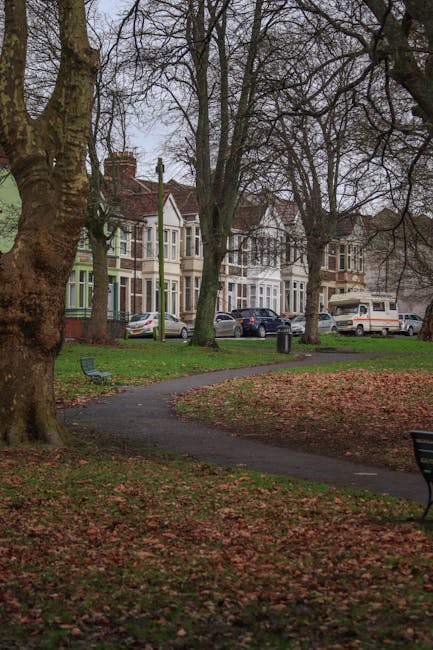
Rubbish collection for Queens Park Gardens households: a practical guide for cleaner, easier day-to-day living
If you live in Queens Park Gardens, rubbish can build up faster than you expect. A flat move-out, a garden tidy-up after a wet weekend, a broken wardrobe that looked smaller in the shop, and suddenly the hallway is crowded. That is where rubbish collection for Queens Park Gardens households becomes genuinely useful: it helps you clear waste quickly, safely, and without turning your week upside down.
This guide explains how household rubbish collection typically works, what to expect, what makes a good service, and how to avoid the common mistakes that cause delays or extra hassle. We will also look at recycling, compliance, and the practical choices that matter most when you want the job done properly. Simple enough, but there are a few details worth getting right.
One thing to keep in mind: the best rubbish collection service is not just about taking things away. It is about timing, access, sorting, responsibility, and leaving your space as you would hope to find it clean and tidy. That bit matters more than people think.
- Why rubbish collection matters in Queens Park Gardens
- How the collection process works
- Key benefits and practical advantages
- Who this is for and when it makes sense
- Step-by-step guidance
- Expert tips for better results
- Common mistakes to avoid
- Tools, resources and recommendations
- Law, compliance and best practice
- Options and comparison
- Real-world example
- Practical checklist
- Conclusion
- Frequently asked questions
Why Rubbish collection for Queens Park Gardens households Matters
In a residential area like Queens Park Gardens, rubbish handling is not just a background chore. It affects how tidy the street looks, how easy it is to move around shared entrances, and how comfortable neighbours feel day to day. A couple of bins left overflowing for too long can attract smells, pests, and complaints. Nobody wants that, especially in a place where space is already at a premium.
There is also a practical side. Many households in London live with limited storage, narrow staircases, shared access, or parking that makes loading waste awkward. That means the "we will deal with it later" approach often becomes a pile in the corner by Thursday. You know how it goes. Bags get moved from one room to another and somehow never leave the property.
Good rubbish collection matters because it gives you a clear plan for unwanted items, bulky waste, mixed household rubbish, and recyclable materials. It also reduces the risk of accidental fly-tipping, which is both messy and costly to sort out. For households that want a straightforward, compliant way to clear waste, a professional collection service is usually far less stressful than trying to improvise.
In plain English: the better your rubbish is sorted and removed, the less time you spend living around clutter, and the easier it becomes to keep your home calm and workable.
How Rubbish collection for Queens Park Gardens households Works
Most household rubbish collection follows a similar pattern, although the details depend on the provider and the type of waste. Usually, you describe what needs removing, the team estimates the volume or weight, and a collection time is arranged. On the day, the waste is loaded, transported, and then sorted for disposal, recycling, or transfer to the right facility.
The important bit is preparation. The smoother the access, the clearer the waste, and the more accurate the description, the fewer surprises there are. A wardrobe dismantled into sections is far easier to remove than a wardrobe still fully assembled in a top-floor flat. A garden sack full of clippings is very different from a mix of soil, broken pots, and old timber. Small distinctions, but they matter.
For Queens Park Gardens households, access can be especially relevant. Parking availability, stair access, narrow hallways, or shared entrances can all affect how long the job takes. If you are upfront about these details, the collection tends to go more smoothly. That sounds obvious, but in practice it saves everyone a headache.
A typical collection may include:
- general household rubbish
- bulky items such as furniture or white goods, where accepted
- bagged waste from clear-outs
- loose items from lofts, sheds, cupboards, or spare rooms
- some recyclable materials, depending on sorting requirements
Some materials need special handling. Electrical items, mattresses, paints, sharp objects, and heavier builder-style waste can all require separate treatment. If you are unsure, ask before the collection. It is much easier to clarify upfront than to deal with a last-minute "actually, we cannot take that as packed" moment at the kerb. Nobody enjoys that conversation.
Key Benefits and Practical Advantages
The obvious benefit is getting rid of unwanted rubbish. But the real value goes further than a cleared floor or an empty hallway.
1. Faster space recovery
You get rooms back into use more quickly. That means the spare room becomes a spare room again, not a storage cave. Small win, but a meaningful one.
2. Less disruption to household routines
Professional collection reduces the number of trips to a recycling centre, the need to borrow a van, and the awkward logistics of handling bulky waste yourself. If you work long hours, that convenience is not a luxury; it is basically sanity preservation.
3. Better sorting and disposal
When waste is handled properly, recyclable material can be separated where appropriate and disposed of more responsibly. That is especially useful if you are trying to reduce landfill-heavy disposal or simply keep your household waste habits cleaner.
4. Safer removal of heavy or awkward items
Old furniture, damaged appliances, and damp garden waste can all be awkward to move. A professional collection helps reduce the risk of scratched floors, strained backs, and the classic "we nearly dropped it halfway down the stairs" moment.
5. Less stress during clear-outs
House moves, tenancy changes, renovations, and family declutters can already be emotionally loaded. Having one dependable part of the process sorted makes a noticeable difference.
Practical takeaway: good rubbish collection is not just about removal; it is about making the rest of your week easier, safer, and less cluttered in every sense.
Who This Is For and When It Makes Sense
Rubbish collection for Queens Park Gardens households is useful for a wide mix of people. It is not only for big clear-outs or end-of-tenancy emergencies. In fact, a lot of calls happen because smaller jobs have quietly built up over time.
This service makes sense if you are:
- moving house and need old items removed quickly
- clearing a flat after years of accumulated clutter
- replacing furniture or appliances
- tidying a garden or outdoor area
- preparing a property for sale or letting
- dealing with waste left after DIY or light renovation work
- helping a relative clear a property with sensitivity and care
It is also a good option if your local collection arrangements are not enough for your needs. Some household waste can be handled through normal bin services, but bulky items, mixed waste, and time-sensitive clear-outs usually need a different approach.
If you live in a flat, the service can be especially useful. Shared bins fill up, neighbours may not appreciate overflow, and carrying heavy bags downstairs in one go is nobody's idea of a relaxing afternoon. If that sounds familiar, you are probably in the right place.
Step-by-Step Guidance
Here is a straightforward way to plan household rubbish collection without missing any important detail.
- Make a simple waste list. Walk through the property and note everything that needs removing. Be honest and specific. "A few bags" is not as helpful as "six black bags, one dismantled wardrobe, two bedside tables, and a broken fan."
- Separate what can be reused or recycled. Keep items that are still usable apart from true waste. If something can be donated, sold, or reused, do that first where practical.
- Check access. Consider parking, stairs, lift access, shared hallways, and whether anything needs dismantling. A little planning here avoids delays later.
- Flag special items early. Let the provider know about mattresses, electricals, heavy items, or anything sharp, fragile, or awkward.
- Choose a collection time that suits the property. If there are neighbours nearby, think about noise, access times, and any building rules. Early evening may suit some homes; morning may be better for others.
- Prepare the items. Bag loose waste, tape sharp edges where sensible, and place items where they can be loaded easily. Do not block exits. That one's obvious, but worth saying.
- Ask how the waste will be handled. A responsible provider should be able to explain how rubbish is sorted, removed, and processed after collection.
That process looks simple on paper, and mostly it is. The difference is in the details. A five-minute check before collection can save a lot of back-and-forth on the day. Truth be told, that is usually where the difference between "smooth" and "slightly chaotic" shows up.
Expert Tips for Better Results
If you want the job to go neatly, a few small habits make a big difference.
Be specific about volume. Don't just say "there's quite a bit." Estimate how many bags, boxes, or pieces of furniture you actually have. Rough is fine. Vague is not.
Put similar items together. Grouping waste by type helps with loading and sorting. For example, keep garden waste separate from general rubbish and electrical items separate from soft furnishings.
Take photos if the load is awkward. A quick set of images can help with quoting and reduce the risk of misunderstanding. This is especially helpful for stair-heavy properties or unusual items.
Leave a clear path. If the team can move freely from the waste to the exit, the job is usually faster and cleaner. Simple as that.
Think about timing. Try not to leave collections for the point when bags are already spilling over or a bulky item has become an obstacle in daily life. Earlier is better, and less annoying too.
Keep sentimental items separate. During a clear-out, it is easy to throw away things you meant to keep. A quick pause can save a lot of regret. That old box of family photos deserves a different pile.
Ask about recycling preferences. A good provider should be open about how they handle recyclable material and what they cannot take. If they are vague, that is worth noticing.
Common Mistakes to Avoid
Most problems with rubbish collection are preventable. They usually come from rushing, guessing, or assuming all waste is treated the same way. It is rarely more complicated than that.
- Underestimating the amount of waste. A "small clear-out" often turns into a van-full. Be realistic.
- Mixing restricted items with ordinary rubbish. Paints, chemicals, sharp objects, and some electrical waste may need separate handling.
- Blocking access. Items stacked behind other furniture or left in hard-to-reach rooms take longer to remove.
- Forgetting parking or building access. In urban areas, this can delay the job more than anything else.
- Not asking what is included. Some services quote for removal only; others include labour, loading, or sorting. Know what you are comparing.
- Leaving the job until the last minute. The pressure of a deadline can lead to higher stress and weaker decisions. Happens all the time.
A small example: a household clears a spare room the night before a move and discovers the old desk does not fit through the door in one piece. If that had been flagged earlier, dismantling could have been planned. Instead, everybody is standing around at 8:30pm with a screwdriver and a growing sense of defeat. Not ideal.
Tools, Resources and Recommendations
You do not need much to organise rubbish collection well, but a few basic tools help more than you might think.
- Phone camera: useful for documenting items, access points, and awkward waste piles.
- Marker pen and labels: helpful if you want to separate "keep," "donate," "recycle," and "remove."
- Heavy-duty sacks or boxes: reduce mess and make loose rubbish easier to move.
- Basic tools: a screwdriver, Allen keys, or pliers can help dismantle furniture before collection.
- Gloves: useful for garden waste, dusty clear-outs, or anything with rough edges.
For nearby reading on related household services, you may also find the site's rubbish collection in Queens Park page useful, especially if you want a broader overview of local collection options. If your clear-out includes heavier or mixed waste, the waste removal in Queens Park service is another sensible reference point. And for household moves that involve everything from furniture to stored belongings, the house clearance in Queens Park page can be a helpful next stop.
If your waste includes garden clippings, branches, or outdoor debris, the garden waste removal in Queens Park option may be more suitable than a general household collection. For renovation leftovers and heavier debris, builders waste disposal in Queens Park is worth reviewing. Different waste types need different handling, and that distinction saves time.
Law, Compliance, Standards, or Best Practice
Waste collection in the UK is not something to treat casually. Households are generally expected to dispose of waste responsibly, and anyone collecting or transporting waste professionally should operate in line with relevant legal and environmental duties. You do not need to become a waste expert yourself, but it helps to work with a provider that takes compliance seriously.
In practical terms, that means a few things. Waste should be handled safely, transported properly, and taken to appropriate facilities. It should not be dumped, mixed carelessly, or passed on to someone who cannot demonstrate what they will do with it. If a collection service cannot explain its process clearly, that is a red flag. Not always a dramatic one, but still a red flag.
Best practice for households is straightforward:
- describe waste honestly and accurately
- separate obvious recyclables where possible
- do not include hazardous items unless the provider confirms they can be accepted
- keep access routes clear and safe
- use a provider that can answer questions plainly
It is also sensible to keep records or confirmations for larger collections, especially if you are clearing a rental property or dealing with a home sale. That does not need to be fancy. A written quote or booking record often does the job. In a city as busy as London, being organised is half the battle.
Options, Methods, or Comparison Table
Households usually have a few ways to handle rubbish. The right choice depends on how much waste you have, how quickly it needs removing, and how much lifting or sorting you are willing to do yourself.
| Option | Best for | Pros | Limitations |
|---|---|---|---|
| Routine household bin collection | Everyday domestic waste | Convenient, familiar, usually low effort | Not suitable for bulky items or clear-outs |
| Self-service disposal | Smaller loads and organised households | Direct control, can suit flexible schedules | Requires your time, transport, and lifting |
| Professional rubbish collection | Mixed waste, bulky items, quick clear-outs | Fast, practical, less physical effort | Needs accurate description and access planning |
| Full house clearance | Large or complete property clear-outs | Comprehensive, saves time during moves | More involved and often less suitable for minor jobs |
For most Queens Park Gardens households, professional collection sits in the sweet spot when the waste is too much for normal bins but not quite a full estate-scale clear-out. It saves time without overcomplicating the job. And honestly, that is what most people want.
Case Study or Real-World Example
A typical local scenario goes like this. A couple in a Queens Park Gardens flat decides to clear their spare room before guests arrive. The room has a broken chest of drawers, several black bags of old clothes, two small bookcases, packaging from recent purchases, and a box of mixed cables that nobody has looked at properly in years. There is also a hallway that is just narrow enough to make moving awkward.
Instead of trying to do it in stages over three weekends, they sort the items into four groups: keep, donate, recycle, and remove. They take photos of the bulky pieces, check the access route, and set aside a clear path near the front door. The collection is then arranged for a morning slot, which helps avoid disrupting neighbours later in the day. Fair enough, it is not exactly exciting work, but it is efficient.
What made it work was not luck. It was the preparation. The waste was described clearly, the access issue was thought through, and the household avoided dumping mixed materials into one pile and hoping for the best. That is usually the difference between a tidy, quick clear-out and a mildly stressful half-day with too much lifting.
Practical Checklist
Use this checklist before arranging rubbish collection for your Queens Park Gardens household:
- Have I listed everything that needs removing?
- Have I separated reusable items from true waste?
- Do I know whether any items need special handling?
- Is access clear from the waste area to the exit?
- Have I thought about parking or loading space?
- Are there stairs, lifts, or tight corners the team should know about?
- Have I checked whether bulky items need dismantling first?
- Have I kept personal or sentimental items safely aside?
- Do I understand what the collection includes?
- Have I asked how recycling and disposal are managed?
If most of those boxes are ticked, you are in a good place. Not perfect perhaps, but good enough to make the job go smoothly.
Conclusion
Rubbish collection for Queens Park Gardens households is really about making everyday life feel lighter. Less clutter, less lifting, less uncertainty, and fewer arguments with overflowing bags or awkward furniture corners. When done well, it gives you back space and time, which are both precious in a busy part of London.
The best results usually come from clear planning: know what you want removed, be honest about access, separate waste where sensible, and choose a collection method that suits the job rather than forcing the job to suit the method. That is the bit people often miss. A little care at the start saves a lot of hassle later.
If you are preparing for a clear-out, a move, or just trying to get a room back under control, start small and be specific. You do not need to solve the whole house in one go. One tidy step is enough to get going.
Get a free quote today and see how much you can save.
And if all you do next is reclaim one corner of the home, that is still progress. Quiet, practical progress. The good kind.
 Tipper Van - Rubbish Collection and House Clearance Prices in Queens Park, NW6
 Luton Van - Rubbish Collection and House Clearance Prices in Queens Park, NW6